Begin with last month's printing
A low purchase price is easy to compare. The cost of owning a printer depends on what happens afterwards. Look at a recent month and estimate how many pages were black text, colour documents and photographs. Note whether printing happened in regular batches or in occasional bursts separated by long gaps. A device chosen for a busy home office may not suit a household that prints a few travel documents every season.
Also ask whether you need your own printer for every task. A small number of large photographs or unusual paper sizes may be easier to order separately, leaving the home device to handle ordinary documents. This is not automatically cheaper in every area; it simply avoids paying for a capability that sits unused most of the year.
Turn cartridge prices into a comparison
For a rough monochrome estimate, divide a replacement cartridge's price by its declared page yield. Keep the currency and cartridge size consistent. Compare standard cartridges with standard cartridges and high-capacity ones with their own yields. Check whether the printer includes a reduced-capacity starter supply, because the first replacement may arrive sooner than the main specification suggests.
Declared yield is a reference measured under specified conditions, not a promise for every page you produce. Brother's explanation of its ISO-based monochrome yield notes that coverage, job size, settings and environment can affect results. A page dominated by a dark image is not equivalent to a lightly printed text page. Use yield to make a structured comparison, then leave room for your own printing pattern.
Colour complicates the calculation. Identify whether colours are replaced separately and whether other consumable parts are needed. Check the model's manual for drums, waste containers or maintenance parts rather than assuming the ink or toner is the only recurring purchase. Do not count a part twice if it is integrated into the cartridge; equally, do not omit it because its replacement interval is longer.
Compare a period, not one refill
Make a simple ownership estimate for a period you can reasonably picture, such as two or three years. Add the printer price, expected replacement supplies and relevant maintenance items. Include paper if the intended jobs require something more expensive than ordinary office stock. Keep assumptions visible so you can change the monthly page estimate without rebuilding the calculation.
Subscription supplies need a separate reading of the terms. Check how pages are counted, what happens above the allowance, whether unused pages carry over and what happens to supplied cartridges after cancellation. A low monthly figure may suit a steady pattern but behave differently when one month is busy and the next is quiet. Use the current terms for the exact service and country rather than an old comparison article.
Include the cost of awkward use
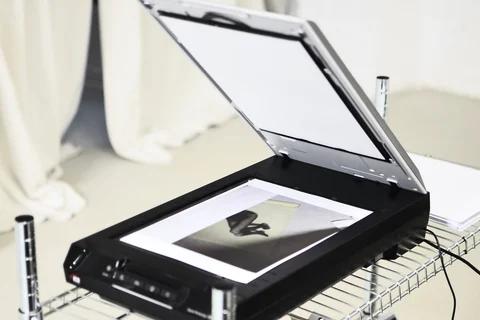
Automatic double-sided printing can change paper use and the time spent handling a long document. An automatic document feeder may matter more than print speed if you scan paperwork regularly. Check whether double-sided scanning is automatic or requires turning pages manually. Similar feature names do not always describe the same workflow.
Look at replacement-supply availability and current software support before choosing an older bargain. Confirm the connection you plan to use, including any account or network requirements. A printer that is difficult to reconnect each time can consume attention even when its calculated cost per page looks attractive.
For example, write two versions of the estimate: your normal monthly volume and a busier period you can realistically expect. If the preferred device changes between those scenarios, page volume is a meaningful uncertainty. If the same option remains suitable, there is less reason to chase tiny differences in cartridge pricing. Keep the calculation dated, because supply prices and service terms can change before you actually buy.
Finally, compare the estimates with your actual priorities. The cheapest theoretical page is not necessarily the most suitable choice for occasional printing, limited desk space or frequent scanning. Keep the calculation as a decision aid, with its assumptions attached, rather than treating a precise-looking total as a prediction of every future expense.